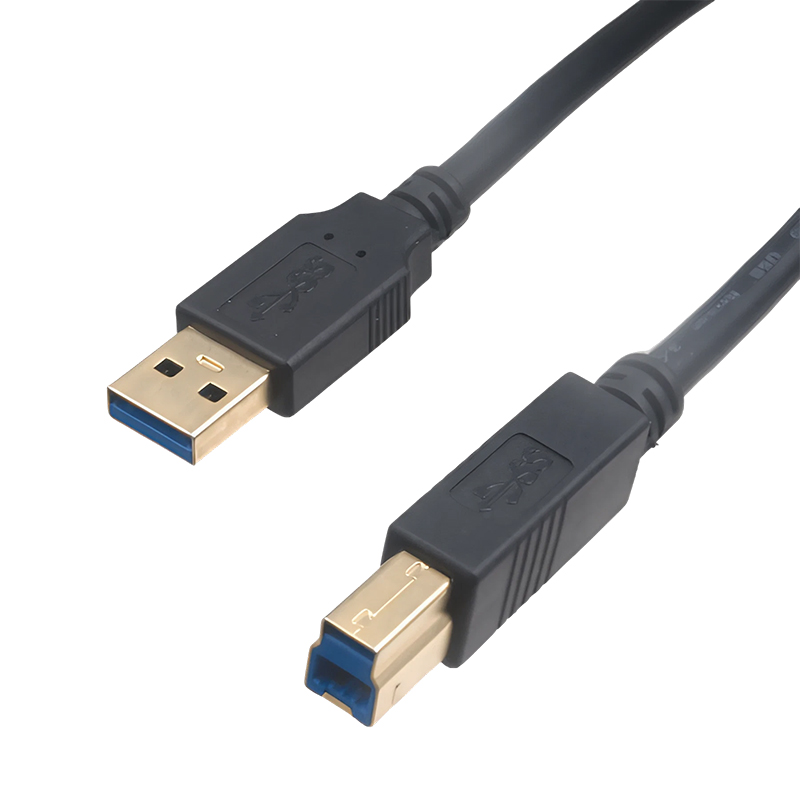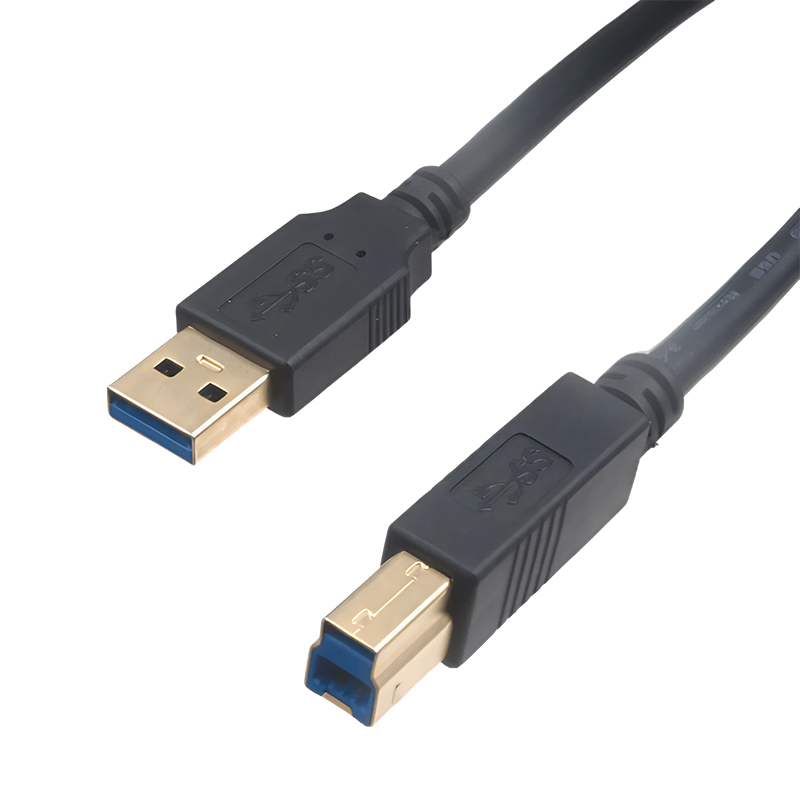

The high-speed transmission of USB 3.0 data cables is no accident; it's the result of structural innovation, protocol evolution, material upgrades, and meticulous engineering.
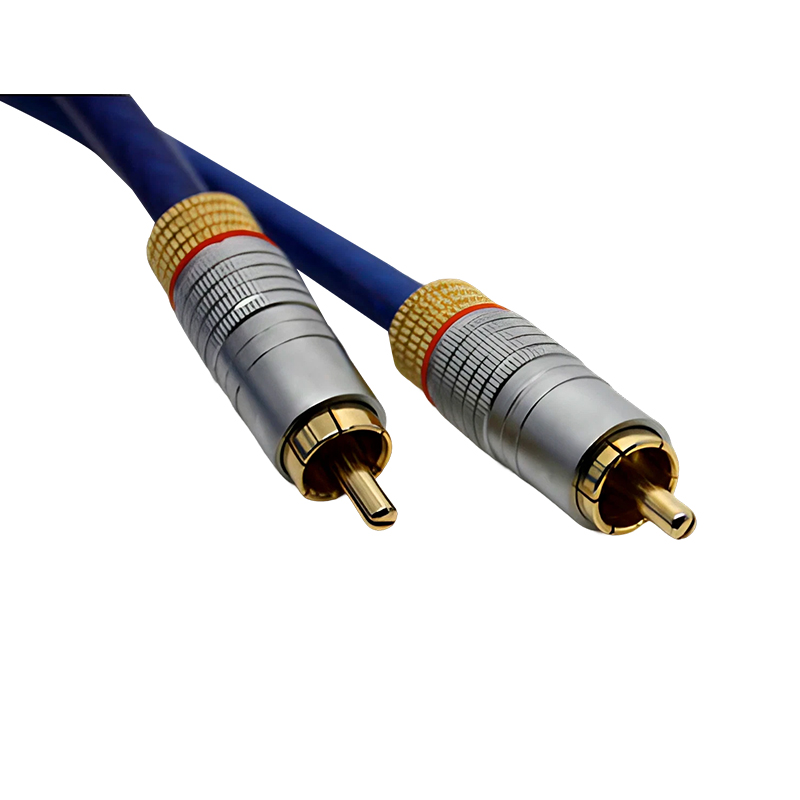
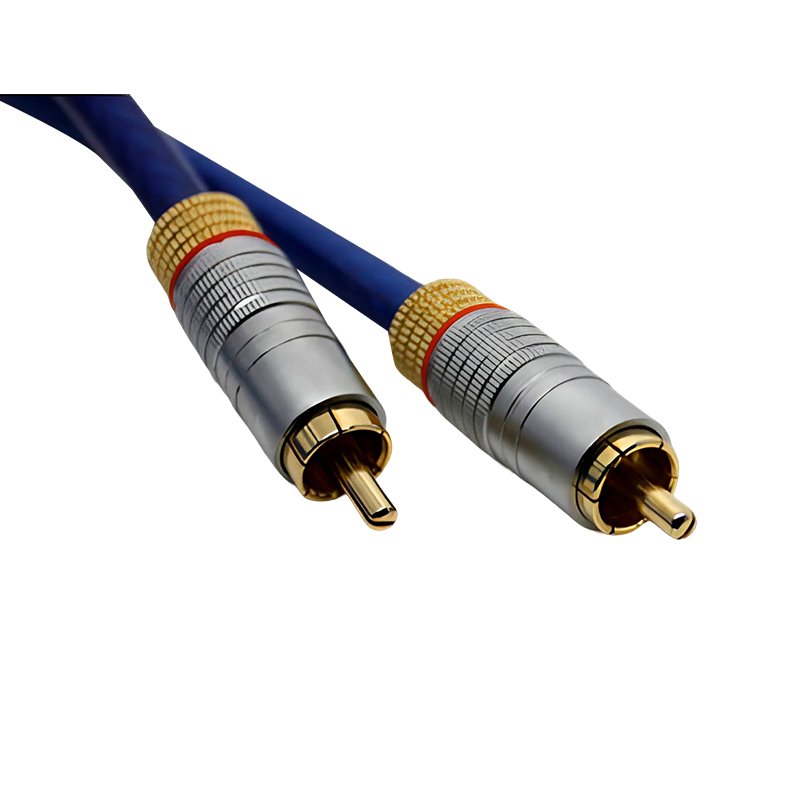
As a classic interface for analog audio transmission, the core challenge of RCA audio cable is to reduce the impact of electromagnetic interference on signal purity through physical structure design.
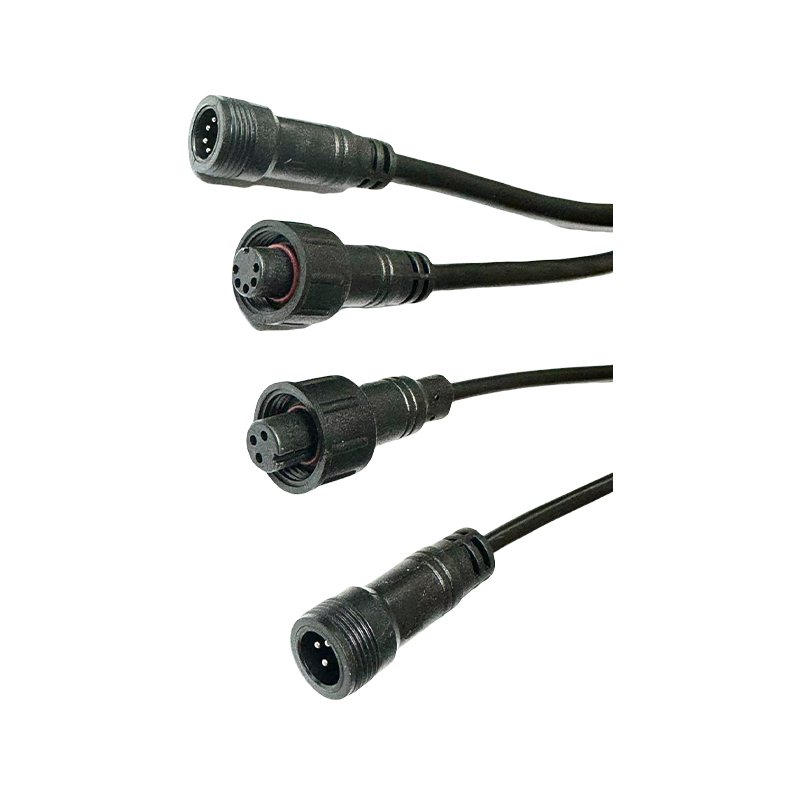
In outdoor electrical systems, DC cables are often used in solar photovoltaic arrays, LED lighting networks, new energy charging infrastructure, and various remote power supply scenarios.
The significant improvement in file transfer stability achieved with USB 3.0 data cables stems not only from their ability to connect but also from comprehensive optimizations in materials, structure, shielding, and protocol support.
In the complex network of modern electrical connections, waterproof cable serves as the "lifeline" for energy and signal transmission. Its reliability is directly related to the safety and performance of equipment.
In the context of digital life, data cables have long transcended their original definition as channels for signal and power transmission, evolving into a critical link connecting people and devices, devices and networks